

UK Floating Wind Faces Test as Projects, Investors, and Policy Collide
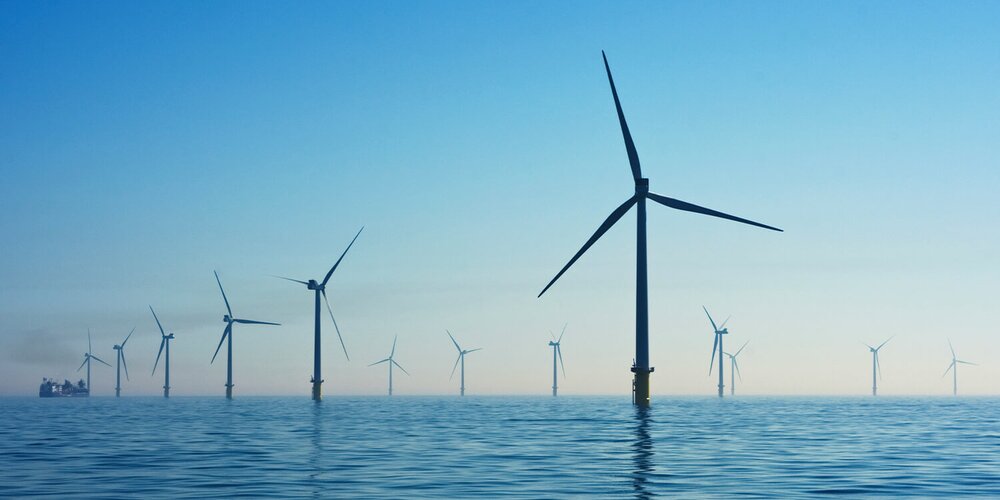
UK ambitions to scale floating offshore wind to help meet net‑zero goals face renewed strain as project exits, financing pressures, and CfD timing reshape the sector’s outlook.
The UK aims to deliver large-scale offshore wind growth, including a substantial pipeline of floating projects, but recent setbacks demonstrate how financing, industry commitment, and government support need to align if targets are to be met.
On the 12th and 13th of November, the floating wind agenda took centre stage in Aberdeen where the sector’s annual conference convened, with attention falling on the seventh Contracts for Difference allocation round (AR7).
AR7 is widely seen as the government’s next decisive step to restore investor confidence. This comes after a weak AR5 and a mixed AR6, and it is expected to be the first CfD round to include a dedicated funding pot for floating wind.
Industry delegates will watch whether AR7’s rules and pricing assumptions are sufficient to restart large‑scale private investment and establish supply‑chain commitments.
Recent commercial turbulence has been plain to see. Shell’s withdrawal from two ScotWind leases and the confirmed failure of CNOOC to proceed with electrifying the Buzzard platform have removed key offtake and developer support for prominent floating schemes, putting billions of pounds of planned investment at risk.
Those moves follow a challenging AR5 procurement round in 2023 that produced no offshore bids, highlighting how financing structures remain key constraints on development.
Nevertheless, there are positive signs of momentum. Equinor and Gwynt Glas won major floating leases in the Celtic Sea, and turbine manufacturers and component suppliers continue to eye UK facilities.
Chinese firm Ming Yang has announced plans for substantial Scottish investment, and ports and grid‑upgrade programmes are being prioritised to support an industrial build‑out.
Delivery of ScotWind projects remains central to Scotland’s jobs and hydrogen export ambitions, and many projects awarded seabed rights see floating foundations as the route to unlock deepwater sites.
The sector’s economic case is persuasive if barriers can be managed. Industry estimates suggest floating wind could support tens of thousands of jobs and deliver tens of billions in GDP by mid‑century, but realising those gains depends on maturing technology, domestic manufacturing and predictable market support.
Practical bottlenecks, such as port infrastructure, heavy‑lift quays, cable corridors, and grid reinforcement, must be resolved alongside clearer commercial frameworks to reduce investor risk and avoid further project attrition.
Policymakers face difficult and complex choices. AR7 presents an opportunity to recalibrate support to reflect the higher costs and early‑stage risk of floating projects, while maintaining value for consumers. Equally important is faster consenting and coordinated investment in ports and transmission.
If the UK gets those decisions right, the country’s existing oil and gas skill base and shipyard capability could be repurposed to create a competitive floating wind cluster. If not, market withdrawals may slow momentum and defer the jobs and energy security benefits promised by the floating sector.
The Lab: the home of forensic investigations
Covering industries including marine, rail, manufacturing and power & energy, if you’d like to find out more about how The Lab’s range of forensic investigation and inspection services can help your business, contact us today for a friendly, no-obligation consultation.
Speak with our team today
For more information, industry insights, and the latest news, explore The Lab’s News and Knowledge Hub…
Groundbreaking New Research Could Be Cost-Effective Solution to Produce Green Hydrogen | Researchers Propose New Chemical Reaction to Remove and Bind Carbon Dioxide From the Atmosphere | Can Solar Power Help Decarbonise Industrial Production
- Author
- Andrew Yarwood
- Date
- 12/12/2025